Vintage furniture has become increasingly popular among people looking to create homes with more character. From mid-century sideboards to antique dining tables, older pieces offer something that mass-produced furniture often lacks. Online marketplaces have made these items easier to discover, allowing buyers to browse unique finds and sellers to reach customers well beyond their local area.

However, buying and selling vintage furniture online isn’t always as straightforward as it appears. Behind every attractive listing are practical considerations that can affect the price, condition, and safe arrival of a piece.
Knowing What You’re Actually Buying
One of the biggest challenges for buyers is assessing furniture without seeing it in person. Photographs can make an item look beautiful, but they don’t always reveal scratches, loose joints, repairs, or structural damage.
Descriptions can also be misleading when terms such as vintage, antique, and retro are used interchangeably. A piece described as mid-century might be a modern reproduction inspired by that period.
Before purchasing, ask for additional photographs showing the underside, back, and any areas of wear. Checking measurements is equally important, especially when buying larger items for smaller rooms.

Getting Large Furniture From One Place to Another
Finding the perfect vintage wardrobe or dining table is exciting until you realize it’s located hundreds of miles away. Unlike smaller second-hand purchases, furniture often requires specialist handling and suitable transport.
This can become challenging when buying through private sellers who only offer collection.
Platforms such as www.shiply.com allow buyers and sellers to compare quotes from transport providers, which can help when arranging the collection and delivery of bulky furniture.
Before booking, establish whether the item needs dismantling, how it will be protected during transit, and whether assistance is available for loading and unloading.
Understanding the True Cost of a Bargain
A vintage cabinet advertised at an attractive price might seem like an excellent deal, but the purchase price rarely tells the whole story.
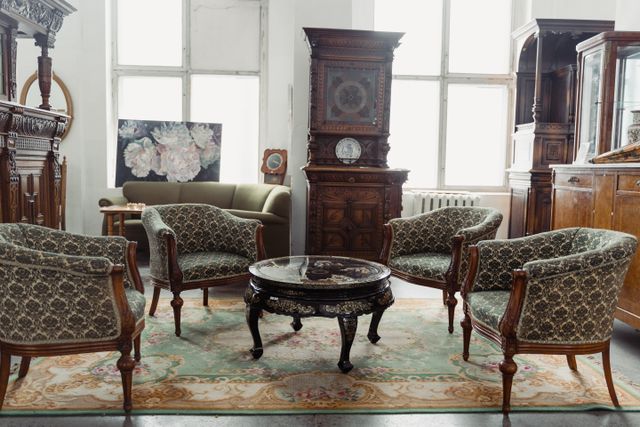
Delivery charges, restoration materials, and professional repairs can increase the overall expense considerably. Older furniture may also require specialist treatment if its original finish has deteriorated.
For sellers, pricing presents another challenge. Setting prices too high can discourage interest, while undervaluing a desirable piece may mean missing out on a reasonable return.
Researching comparable items and accounting for their condition can help establish realistic expectations.
Building Trust Between Buyers and Sellers
Online furniture transactions often involve people who have never met, making clear communication particularly important.
Sellers should provide accurate descriptions, honest photographs, and details of any known defects. Buyers, meanwhile, should clarify collection arrangements, payment methods and the condition they expect.
Using secure payment methods and keeping written records of agreements can reduce the likelihood of misunderstandings.
Making Vintage Shopping Worth the Effort
Despite these challenges, buying vintage furniture online can be incredibly rewarding. It offers access to distinctive pieces, supports furniture reuse, and gives older items an opportunity to remain useful for another generation.
The key is approaching each purchase with realistic expectations. Taking time to investigate an item’s condition, calculate additional costs, and arrange appropriate transport can prevent unnecessary disappointment.
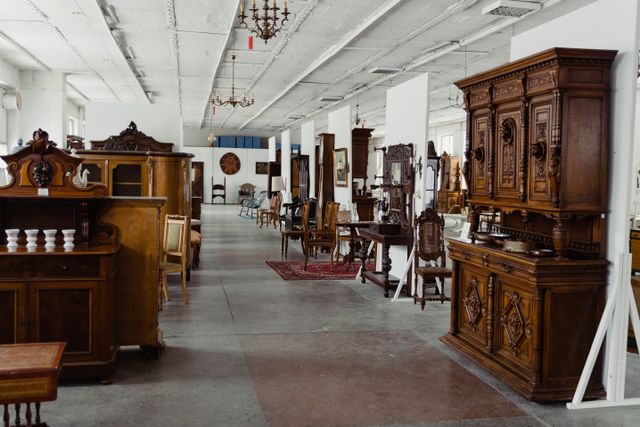
With a little patience and preparation, online vintage furniture shopping can become a practical way to create a home filled with pieces that have genuine history and personality.
[custom-twitter-feeds feed=2]