When businesses think about unexpected visitors, they might imagine someone entering their office without permission. However, in the digital workplace, unwanted visitors can be far more difficult to detect. Cybercriminals can gain access to business networks, confidential documents, and employee accounts without ever setting foot inside a building.
As organizations increasingly rely on digital systems, protecting against unauthorized access has become essential. Understanding how intruders enter business networks and the damage they can cause is an important step toward improving cybersecurity.
How Do Unwanted Visitors Gain Access?
Cybercriminals use several techniques to access systems without permission. Sometimes, they exploit weaknesses in software or network configurations. In other cases, they trick employees into providing sensitive information. Phishing attacks are particularly concerning because they target human behavior rather than technical vulnerabilities. An employee might receive an email appearing to come from a trusted colleague, encouraging them to enter their login credentials on a fraudulent website.
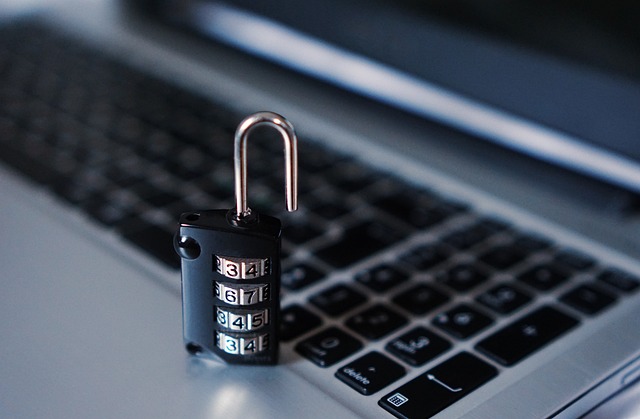
Once attackers obtain legitimate credentials, they may be able to access company systems without immediately raising suspicion. Weak passwords, outdated software, and poorly managed access permissions can also create opportunities for unauthorized visitors.
The Consequences of Unauthorized Access
An unexpected visitor inside a business network can cause significant damage. Confidential customer information, financial records, and intellectual property may be exposed or stolen. Cybercriminals might also install malicious software, disrupt operations, or attempt to access additional connected systems.
Beyond immediate financial losses, businesses may experience reputational damage if customers lose confidence in their ability to protect sensitive information. Recovering from a cybersecurity incident can also require considerable time and resources, particularly when essential systems become unavailable.
Strengthening Your Digital Defenses
Preventing unauthorized access requires more than installing antivirus software or creating complicated passwords. Businesses should think about adopting security measures that continuously assess who can access their networks and applications. For example, SASE cybersecurity solutions combine network security technologies with secure access controls, helping organizations protect connections and manage access to business resources.

These solutions can incorporate Zero Trust principles, which require users to meet defined security conditions rather than automatically trusting someone because they’re connected to a company network. This approach is particularly useful for organizations supporting remote employees who regularly access business systems from different locations.
Why Employee Awareness is Important
Technology alone cannot eliminate every cybersecurity risk. Employees also need to understand how their actions can affect organizational security. Regular cybersecurity training can help staff recognize suspicious emails, avoid dangerous downloads, and report unusual account activity. Businesses should encourage employees to use multifactor authentication and avoid sharing login credentials.
Access permissions should also be reviewed regularly, ensuring former employees and individuals who no longer require particular resources cannot continue accessing them.

Keeping Unexpected Visitors Out
Cybersecurity threats continue to evolve, making ongoing protection essential for businesses of every size. Regular software updates, security assessments, network monitoring, and employee education can all contribute to stronger defenses. Organizations should also establish incident response procedures so they can act quickly if unauthorized activity is detected.
By combining effective security technologies with responsible workplace practices, businesses can reduce the likelihood of unwanted visitors gaining access to their digital environments and protect the information their customers and employees depend on.
[custom-twitter-feeds feed=2]